
Materials testing
Servo-Controlled Universal Testing Machine
Tensile, compression, bending and shear testing from 1 kN to 500 kN
Overview
Servo-Controlled Universal Testing Machine
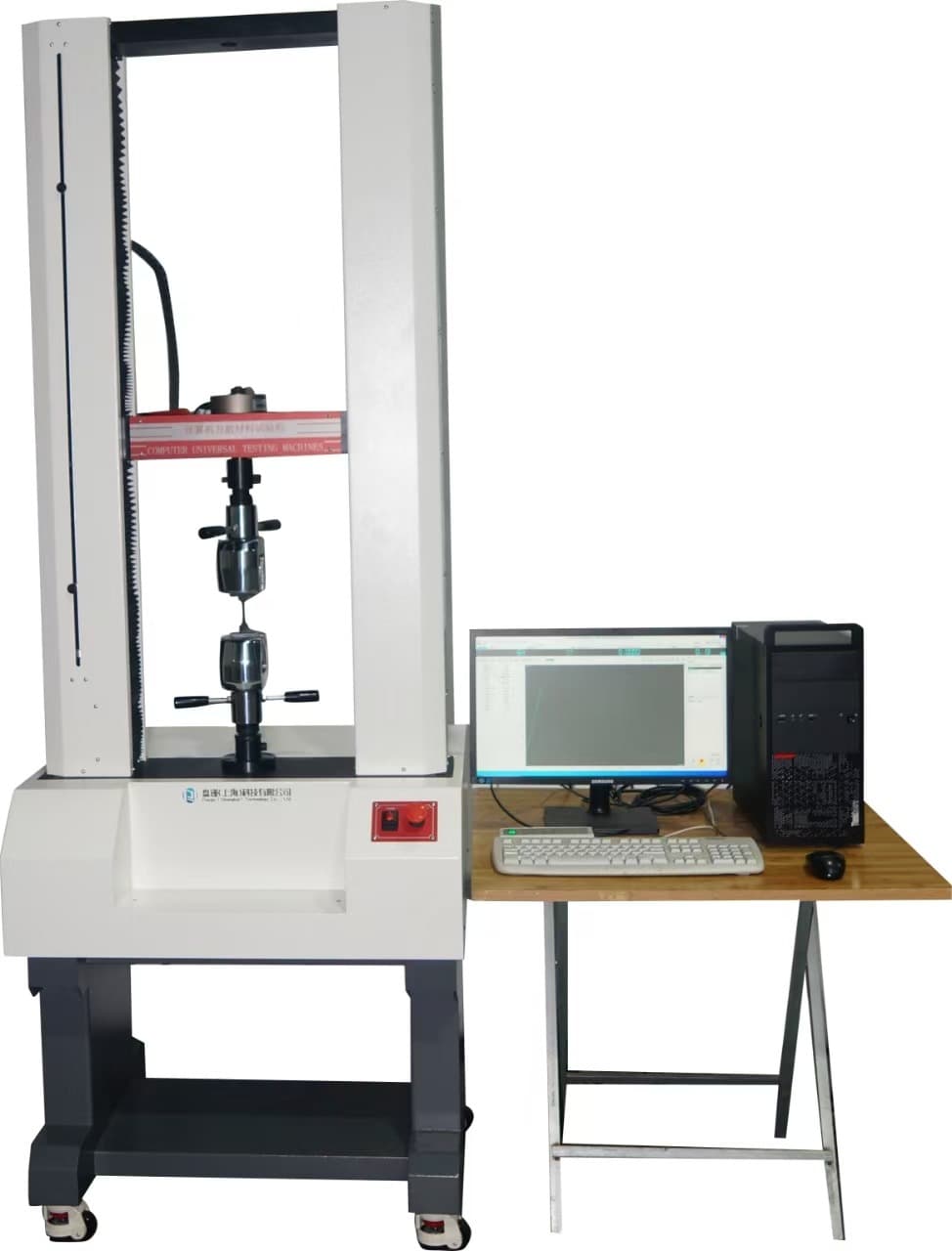
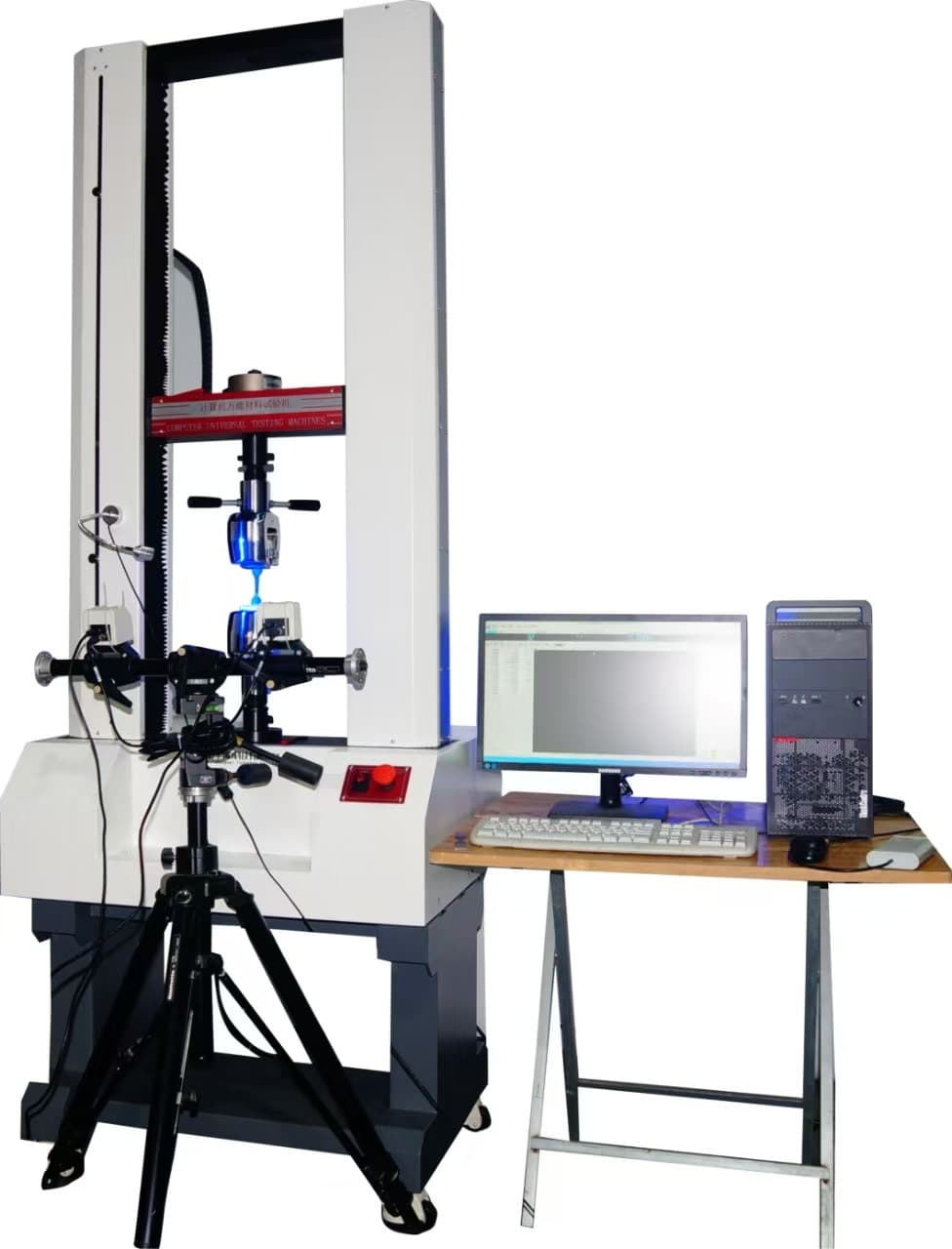
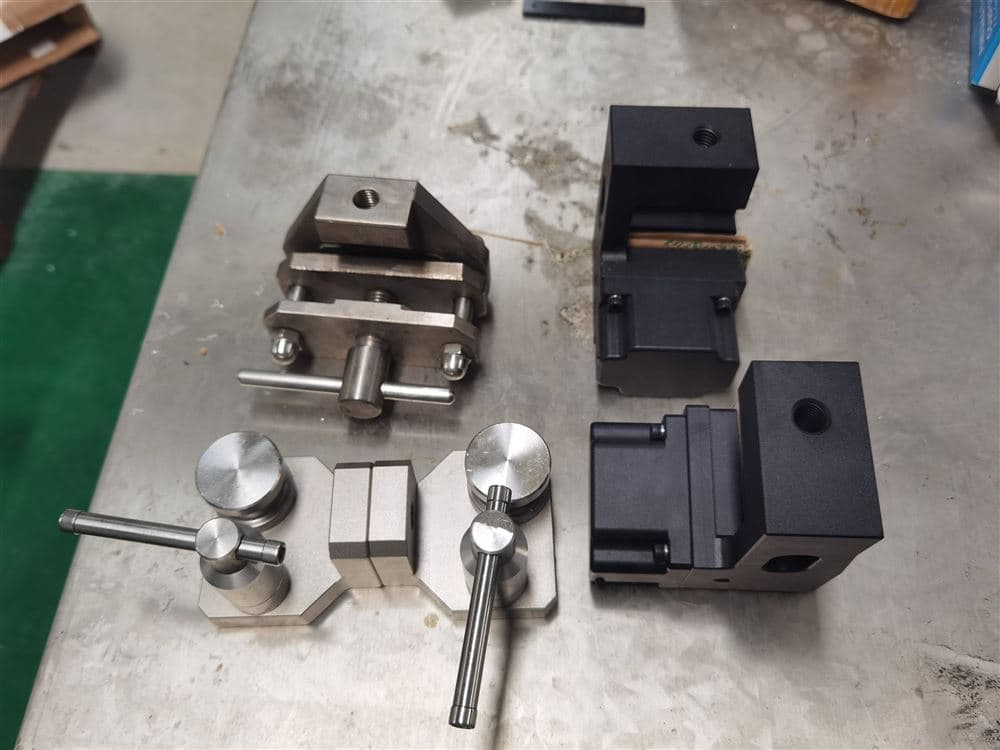
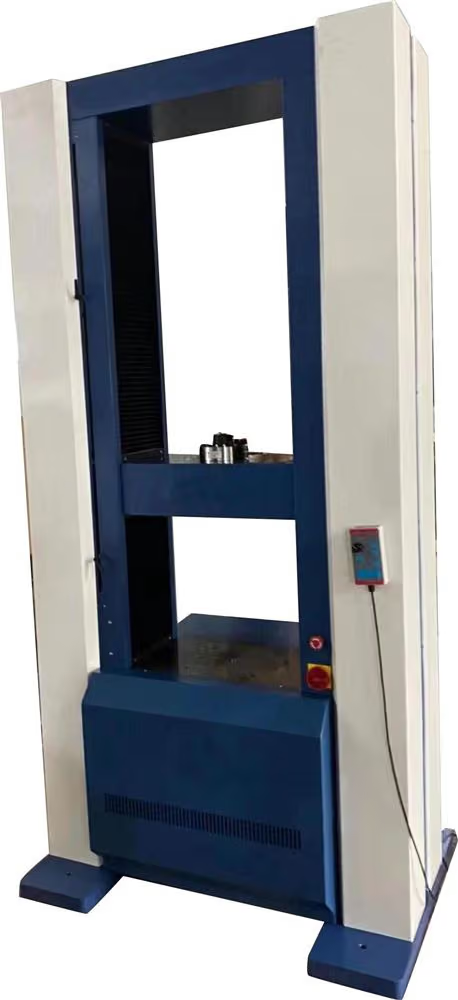
Servo-controlled universal testing machines in single-column, dual-column tabletop and dual-column floor-standing builds. The systems cover tensile, compression, bending and shear testing and can be fitted with fixtures, tooling and strain-measurement devices for different specimen types.
Key features
- 0.5 class high-precision force sensor
- Load accuracy ≤ ±0.5 %
- Force resolution up to 1/1,000,000, with stepless amplification over the full range
- Test methods covered by GB, ISO, JIS, ASTM and DIN standards
- Can be fitted with a non-contact video extensometer: strain is read from camera images, so no knife edges are clamped onto the specimen
What it is used for
- Tensile, compression, bending and shear testing of metal specimens
- Mechanical properties of plastics, rubber and composites
- Component testing for automotive and aerospace parts
- Hardness-related and general incoming-goods testing of metal components
Standards this equipment is listed against
- ISO 7500-1
- ASTM D638
- ASTM D5034
Standard numbers are reproduced as they appear in the manufacturer's published product description.
Built in our own workshop
- Frame, guarding and fixtures are designed and assembled in our own workshop. The fixture is made to the part drawing you send.
- Servo drives, load cells and pneumatic components are specified by brand and model on the quotation — not left open.
- Each machine is assembled, then run-tested with a sample part, and ships with that run record.
- Documents with every machine: operating manual, electrical drawing, inspection record, packing list.
Send a part drawing and the fixture is quoted together with the machine, including the measurement range that part needs.
Technical specification
Servo-Controlled Universal Testing Machine — Technical specification
| Single-column tabletop | Up to 5 kN; 1 kN / 2 kN / 5 kN selectable |
|---|---|
| Dual-column tabletop | Up to 20 kN; 1 kN / 5 kN / 10 kN / 20 kN selectable |
| Dual-column floor-standing | Up to 500 kN; 50 kN / 100 kN / 200 kN / 300 kN / 500 kN selectable |
| Load cell | 0.5 class high-precision force sensor |
| Load accuracy | ≤ ±0.5 % |
| Force resolution | Up to 1/1,000,000 |
| Force amplification | Stepless over the full range |
| Gantry build (for rigid bicycle and component tests) | 2000 / 5000 / 10000 kgf; auto-range resolution 1/500,000; speed 0.005–250 mm/min; test width 1000 mm; crosshead stroke 1200 mm |
Capacity is chosen from the forces you expect to measure, so readings stay inside the useful calibrated range. Frame, fixtures and control cabinet are built and wired in our own workshop; the data system runs on the PC shown.
Keep reading
Keep reading
Tensile, compression, bending and shear testing from 1 kN to 500 kN
Setting up a tensile testing lab: an equipment list worked from the tests out
A tensile testing laboratory is not a single machine. It is a load frame, the grips that hold the specimen, the fixtures that load it the way the application does, and the measurement chain that records it.
Setting up a fastener testing lab
Fastener testing is not one test. A bolt is judged on proof load and tensile strength, a nut on its own proof load, and a plated part on what happens after tightening and after salt spray.
Tensile testing — See the industry page
From a single-column bench to a full universal machine.
Automotive — See the industry page
Strength, fatigue and durability test systems for seats, belt anchorages, body closures and wheels.
Seat System Strength Test System
Multi-axis hydraulic rig for seat system strength and safety-belt anchorage strength
Wheel Dynamic Radial Fatigue Test Machine
Two-station rig with tyre cooling for dynamic radial fatigue testing of road wheels
Buyer questions
Buyer questions
- What tests can a servo universal machine run?
- Tension, compression, bending and shear on materials and components, with the jig chosen for the sample.
- Is the load cell matched to our range?
- Capacity is selected from the forces you expect to measure, so readings stay inside the useful calibrated range.
Talk to us about this system
Send your test plan and the standards you work to, and we will come back with a configuration.
Talk to us about this system
Send your test plan and the standards you work to, and we will come back with a configuration.